As I expect you’re well aware, Easter is a holiday celebrated every spring, always falling on a Sunday between March 22 and April 25.
Unlike Christmas, its date changes every year.It lands on the first Sunday after the first full moon following the spring equinox, a system established by the Council of Nicaea as far back as 325 AD.
At its heart, Easter is the most important celebration in the Christian calendar. For Christians, it marks the Resurrection of Jesus Christ – the event described in the New Testament in which Jesus rose from the dead on the third day after his crucifixion on Good Friday.
According to Britannica, Easter is a joyful affirmation of the core Christian belief that through Christ’s victory over death, all Christians share in the hope of salvation and eternal life. The week leading up to Easter is known as Holy Week, which includes Palm Sunday (commemorating Jesus entering Jerusalem), Maundy Thursday (the Last Supper), Good Friday (the Crucifixion), and then Easter Sunday itself. Many Christians mark the season with a period of prayer, reflection and fasting called Lent in the forty days before Easter.
But Easter is celebrated far more widely than just practising Christians alone. Over centuries, the holiday merged with older spring festivals and folk traditions, and today its symbols – eggs, bunnies, chocolate, spring flowers, and Easter baskets – are enjoyed by families of all backgrounds as a celebration of the new season.
History.com says that the tradition of the Easter Bunny has roots in German folklore, where an egg-laying hare called “Osterhase” was said to leave eggs for well-behaved children. German immigrants brought this custom to America in the 1700s, and it evolved into the Easter Bunny we know today.
The Easter egg hunt, now beloved worldwide, may have its origins in the tradition started by Martin Luther – where the joy of searching was said to mirror the joy felt when Christ’s empty tomb was discovered.
Whether your family celebrates the religious meaning, the spring traditions, or both, Easter is one of those wonderful occasions that brings people together in a spirit of renewal, colour, and joy.
Some helpful organisations if you’d like to read read a bit more with your little ones:
- Britannica – Easter – an authoritative overview of the religious and cultural history
- History.com – History of Easter – the traditions, symbols, and secular history
- National Geographic – A Brief History of Easter – origins and how modern traditions developed
Why Is Easter Special?

For young children, Easter arrives at the very best time of year – when the world is brightening, flowers are appearing, and there’s a real sense of something new beginning again!
It’s a holiday rich with symbolism that children respond to naturally: eggs represent new life, the bunny is associated with springtime and playfulness, and the bright colours of Easter (sky blues, pinks , yellows) are the colours of the season itself.
For families who celebrate the Christian meaning, Easter is also a profound and joyful story about hope, love, and the possibility of new beginnings.
For families who celebrate more broadly, Easter is a wonderful invitation to welcome spring, practise kindness, create together and notice the natural world waking up around them.
Either way, it’s a holiday your little learners will look forward to every single year.
Learning Opportunities
Easter can be a wonderful time to help your little learners explore big themes like new life, spring, community, storytelling, and kindness through hands-on play and conversation.
It’s also a great chance to build that early science knowledge, some creative skills, mathematical thinking, and a genuine sense of wonder at the changing world around them.
Here are some areas your children can explore:
Symbols, Stories, and Traditions
Easter is extraordinarily rich with symbols. Almost every tradition has a story behind it and as we’re all very aware, children are natural “why?” askers who will love exploring them.
Why do we hunt for eggs? Where did the Easter Bunny come from? Why is the cross an Easter symbol?
For children from Christian families, Holy Week offers a powerful narrative that can be gently shared – the story of Jesus riding into Jerusalem on Palm Sunday, the Last Supper with his friends, Good Friday, and the joy of Easter morning.
For all children, the spring traditions around eggs and rabbits open up conversations about folklore, culture, and the way humans have celebrated the changing seasons for thousands of years.
Storytelling can build language, cultural understanding and a rich sense that the world is full of meaningful traditions worth exploring!
Colour, Pattern, and Early Art
Egg decorating is one of the oldest Easter crafts in the world, and for good reason – it’s low prep!, very open-ended and produces some gorgeous results that even the youngest children are proud of.
Easter is an invitation to explore colour theory in a very practical way: what happens when you mix yellow and blue? How can you create resist patterns using wax crayons? What patterns can you make using rubber bands, stickers, or leaves pressed against the shell?
Beyond egg decorating, Easter’s colour palette is beautiful inspiration for all kinds of art. The lovely pastel colors work beautifully for watercolour washes, tissue paper collages, print-making with natural spring materials and much more.
These kind of crafty activities are such a super way to build fine motor skills, colour knowledge and creative confidence that is often at the heart of great early arts education!
Kindness and Community
Easter is, at its core, a story about love and giving and there are lots of ways to bring that spirit into your classroom or home.
Easter baskets traditionally involved giving gifts to others, and creating simple baskets for a family member, neighbour, or friend is a beautiful community activity.
Egg hunts teach children to take turns, can be a great chance to get some counting and subitizing practice in and a brilliant time to teach about sharing.
The Easter story itself, whether told in a religious or broader context, is rich with themes of loss, friendship, hope, and joy. And spring itself is a wonderful invitation to care for the world around them through planting seeds, tidying up a garden, putting out bird feeders etc. – all small acts of kindness toward the living world.
Did You Know?

Here are a few fun Easter facts to share with your little learners:
The Easter Bunny tradition started in Germany! The story of an egg-laying hare called “Osterhase” who left eggs for good children was brought to America by German immigrants in the 1700s. Children would build little nests out of sticks and leaves for the hare to fill – and that’s also thought to be how Easter baskets were born!
Easter falls on a different date every single year. It’s always a Sunday, but it moves each spring because it is tied to the moon – and specifically, the first Sunday after the first full moon of spring. This means Easter can be as early as March 22 or as late as April 25! !
The first chocolate Easter eggs were made in France and Germany in the early 1800s. Today, billions of chocolate eggs are made and eaten every year around Easter!
Not everyone has an Easter Bunny! In Australia, many people celebrate with the Easter Bilby instead – a native endangered marsupial with big ears. The tradition helps raise awareness and funds for bilby conservation. In Switzerland, folklore says a cuckoo bird brings the eggs!
Egg decorating is one of the oldest Easter traditions in the world. Long before chocolate eggs, people in ancient civilisations like Persia and Egypt dyed eggs as a symbol of new life and spring. Early Christians later adopted the tradition, and eggs became a symbol of the empty tomb – new life emerging from something that looked closed and finished.
Easter Jokes
A day feels even more fun when your little learners get to laugh along with it. Here’s a few Easter themed jokes you may want to share with your little ones:
- Why shouldn’t you tell an Easter egg a joke? It might crack up!
- How does the Easter Bunny stay fit? Lots of egg-xercise!
- How can you tell where the Easter Bunny’s been? Its eggs mark the spot!
- What should everyone drink on Easter? Spring water!
- What did one Easter egg say to the other? Let’s get crackin’!
Easter Printable Activities

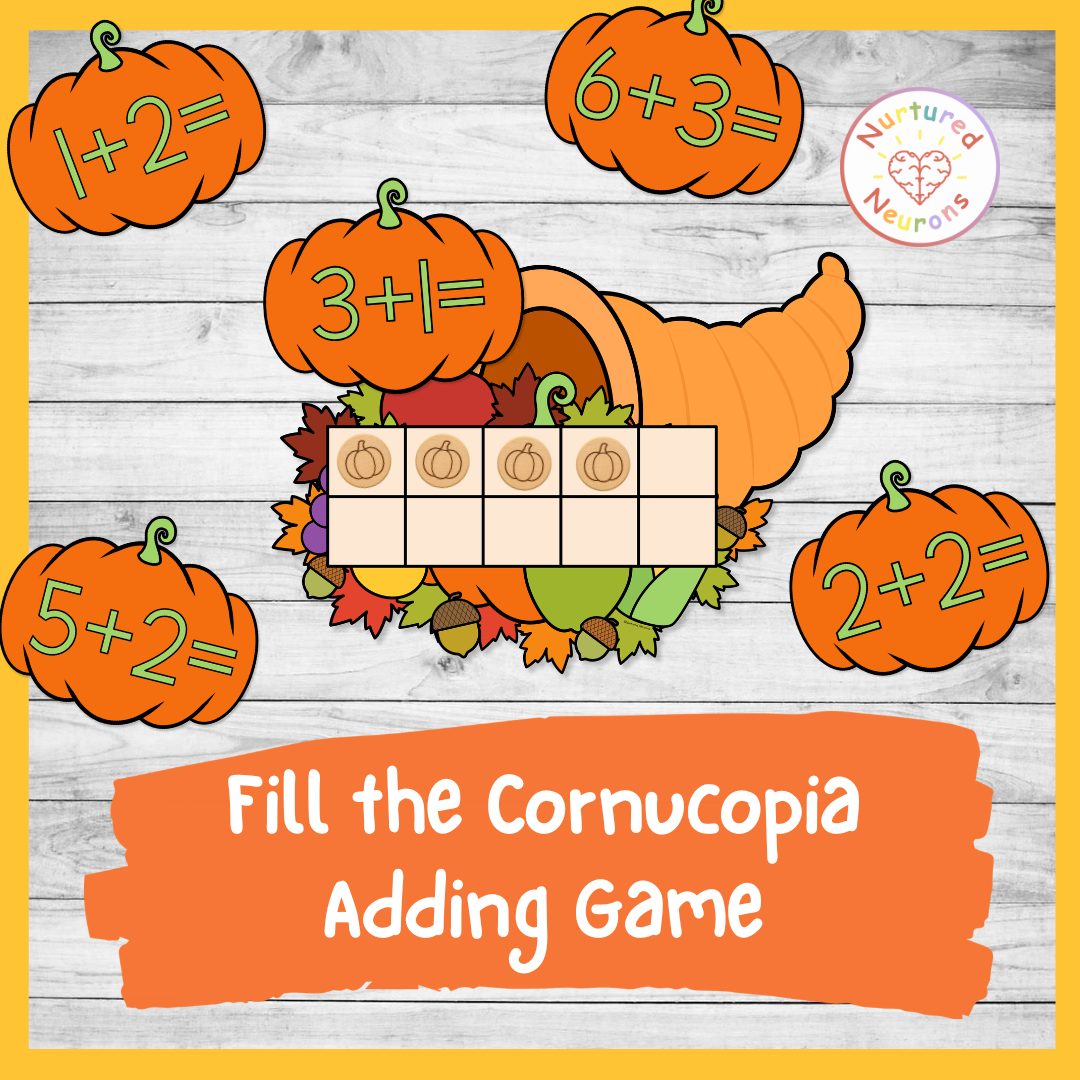
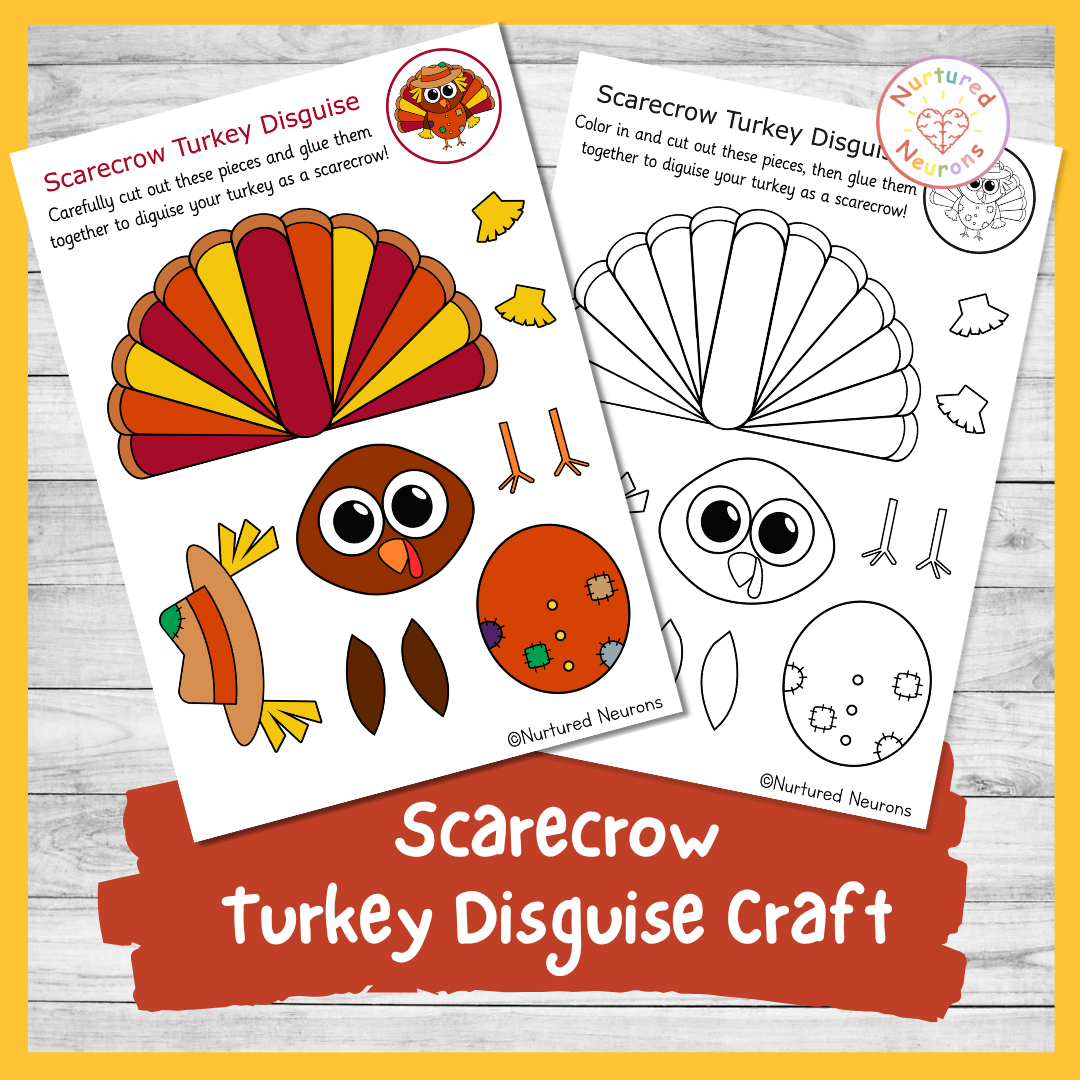
Let’s make SEaster extra fun for your little learners. Here at Nurtured Neurons, Easter themed printables are a lovely way to explore this topic.
These hands-on activities are perfect for building early skills like fine-motor control, matching, counting, sequencing, and vocabulary.
Click on the images below to grab an activity:


Other Fun Ways to Celebrate
These ideas use everyday materials and work well for classrooms and home learning.
Indoor Activities
Shaving Cream Marbled Eggs: Spray a thin layer of shaving cream into a shallow tray and drop food colouring on top. Children use a toothpick or popsicle stick etc. to gently swirl the colours into patterns, then roll a hard-boiled egg (or a white plastic egg) through the mixture. After a few minutes, wipe off the shaving cream to reveal a beautiful marbled design. Each egg is completely unique. This sensory art activity builds fine motor control and colour mixing knowledge.
Egg Shell Seed Planters: Save some clean and empty eggshell halves and stand them in an egg carton. Children fill each one with a small scoop of potting soil and press in some seeds – cress, sunflower or sweet peas all work beautifully. Water gently and place on a sunny windowsill. Watching their seeds sprout inside a real eggshell makes the Easter symbol of new life real. This activity builds science vocabulary, early life science understanding and patience.
Hot Cross Bun Play Dough: Set out brown or beige playdough along with some white pipe cleaners or strips of white card and dark buttons or beads (for raisins). Children roll, pat, and shape their own hot cross buns, add some ‘raisins’ and then press a cross shape on top with the pipe cleaners. You could even extend by setting up a “bakery” dramatic play area with menus and trays etc. Talk about what hot cross buns are, why they have a cross, and when they’re traditionally eaten. This dramatic play activity builds early literacy (menus, labels etc.), maths (counting and pricing), imaginative play and fine motor skills all at once.
Easter Basket Weaving: Cut strips of coloured card and show children how to weave them over and under to create a simple mat. this can then be folded into a simple basket shape. Staple or stick the sides together and add a handle. Then this could even be filled with shredded paper and a few small treats… This classic fine motor activity builds hand-eye coordination and persistence and results in something awesome that your little ones can play with!
Outdoor Activities
Classic Easter Egg Hunt: Had to include this one… Hide eggs (decorated, plastic, chocolate…) around your outdoor space. Give each child a basket or bag and let the searching begin! You can add a counting twist (children record how many they find), a colour challenge (find one of each colour), or a cooperative challenge (work together to find them all as a team). Egg hunts build observation skills, counting gross motor and cooperation. If you don’t have eggs to hand, you could use this Easter scavenger hunt!
Bunny Hop Relay Race: Divide your children into teams and set up a simple relay between two markers. Children must hop with their feet together and arms up like bunny ears from one marker to the other and back. When they get back – tag the next person and off they go! If you want o expand this past Easter you could add extra animal movements: crab-walk back, frog-jump, fly like a bird etc. This builds gross motor skills, coordination, teamwork and turn-taking skills.
Egg Decorating with Natural Materials: Collect leaves, petals, grass and small flowers from your outdoor space. Children press these against hard-boiled eggs (shells removed) and wrap them tightly in an elastic band. Don’t overdo it – a couple flowers or leaves works really well. They’ll then have to dip them in (or carefully brush on) some food-colouring. After the eggs have dried, the elastic bands and leaves can be removed, revealing a beautiful natural pattern on the egg. This magical nature-and-science activity builds observation, fine motor skills and some genuine delight and pride!
Outdoor Spring Mud Kitchen: If you have a mud kitchen or simply a patch of damp soil and a bucket, set up an “Easter Bakery” outside. Children can make mud “hot cross buns,” leaf puddings, flower-topped “cakes,” and decorated some stone “eggs”. Add a few old kitchen tools, containers, and collect some leaves, twigs and spring flowers for extra inspiration. This wonderful outdoor imaginative play builds language, creative thinking, fine motor skills and helps develop a healthy (and messy!) connection to nature.
Planting a Spring Bulb Give each child a bulb (hyacinth, crocus, daffodils are good) and their own small pot of soil. Children plant their bulb, label their pot, and take it home or set it on a windowsill to watch over the coming weeks. Talk about how the bulb, closed, and still and yet inside it carries the promise of new growth. This connects beautifully to the Easter themes of new life and resurrection, and builds patience, observational skills and care for living things.
Ideas from Around the Web

If you’d like a few more ways to celebrate, here’s a few simple ideas from some trusted sites:
Easter Bunny Paper Plate Craft from – a low-prep activity to create a cute Easter Bunny. Great for those early creative and fine motor skills and a bit of imaginative play. (Laughing Kids Learn)
Melted Crayon Easter Eggs – Draw on a warm hard-boiled egg with wax crayons, which melt slightly on contact and create a cool, vibrant effect. Then dip the egg in dye to create a gorgeous wax-resist pattern. A beautiful combination of art and science in one activity. (Artful Parent)
- Easter Sensory Bin – A beautifully simple sensory bin using shredded paper, plastic Easter eggs, and a few basic scooping and pouring tools. Great for some open-ended play! (Farmhouse Mama)
Simple Classroom Display & Group Activity Ideas
Here are some easy ways to bring your Easter theme to life in a group setting:
Class Easter Egg Gallery: Display children’s decorated egg artwork (painted, collaged, printed, or dyed – there’s some Easter egg templates here if you need them!) on a large backing paper shaped like a giant Easter basket. You could also add speech bubbles: “I decorated my egg with… I love it because…” This celebrates creative work and helps build some descriptive oral language.
Easter Across the World: Create a world map display and add notes about (or just chat about) how different countries celebrate Easter. For example, the White House Easter Egg Roll in the USA, the Easter Bilby in Australia, midnight candlelit processions in Greece, kite-flying in Bermuda etc. Children are fascinated by these differences and this activity can help build geography, cultural curiosity and a sense of the wide world.
Egg Hunt Maths: After any egg hunt activity, gather the eggs and turn the haul into a maths lesson. How many did you find altogether? Can you sort them by colour? Which colour do we have the most of? The least? Make a tally chart or simple bar graph together. This turns a beloved Easter tradition into some meaningful data handling practice.
Easter Reading List -Books to Explore Together
Books are such a great way to help your kids celebrate St Patrick’s Day – here’s a few:
The Easter Egg by Jan Brett
A beautifully illustrated story about a rabbit who gives up his chance to win an Easter egg competition to help a robin instead – perfect for sparking conversations about kindness and what really matters in life.
The Country Bunny and the Little Gold Shoes by DuBose Heyward
A classic tale of a determined little bunny who proves everyone wrong to earn her place as an Easter Bunny. Wonderful for discussions about perseverance and being underestimated and a firm classroom favourite for over eighty years.
Rechenka’s Eggs by Patricia Polacco. A gorgeous folk tale set in old Moscow with stunning illustrations make it a brilliant springboard for egg art projects and discussions of other cultures.
Discussion Starters
These open-ended questions are great for encouraging reflection:
If you could hide an Easter egg anywhere in the world, where would you hide it and why?
Why do you think people give eggs at Easter?
How do you know spring has arrived? What signs of spring can you see around you right now?
What do you think the Easter Bunny puts in their basket when it’s not Easter?
Easter is a time when lots of families do something special together. What does your family love to do at Easter?

I’ve made a little certificate you can use to help celebrate your learners’ efforts with a cheerful keepsake! I’ve kept it simple as I know too well how time consuming writing the dates and signing a class worth or certificates can be…
Click the button below to download and print a Easter Certificate of Participation:
Easter Final Thoughts
What a wonderful time of year to celebrate with your little learners! Whether you observe the Christian story of hope and resurrection, the spring traditions of eggs and bunnies, or the whole glorious mix, it’s a season full of meaning, beauty, and joy!
We’d love to hear how you and your little learners celebrated! Did the Easter egg hunt turn into a maths lesson? Did the shaving cream marbling blow everyone’s minds? We’d love to hear what you tried or any creative ideas you came up with – share them in the comments below!
Enjoy!
And if you want to see what other special days are coming up soon – as well as grab a few choice activities – you can check out our Special Day Calendar here.